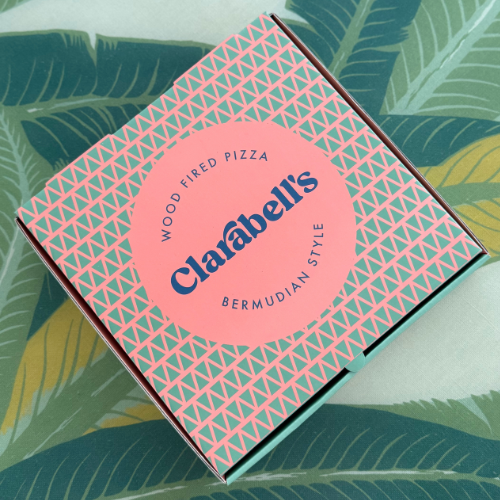
When Brand and Interiors Speak the Same Language
In hospitality, guests rarely separate brand from space.
They don’t distinguish between what they saw online and what they experience when they arrive. The tone, the atmosphere, the details. All of it blends into a single impression. And yet, brand and interiors are often developed in parallel rather than together.
When they do align, the results are quietly powerful.
Why Interiors Are One of the Most Powerful Brand Touchpoints
A hotel or restaurant’s interiors are not decoration. They are communication.
Before a guest has read a menu, spoken to a member of staff or ordered a drink, the space has already told a story. About pace. About confidence. About who the place is for.
When brand strategy and interior design are aligned from the outset, that story becomes intentional rather than accidental.
The Risk of Treating Design as a Separate Discipline
Too often, interior design is approached as a visual exercise, while brand is treated as something that lives in language, marketing and digital channels.
The result can be beautiful spaces that don’t quite feel like the brand or brands that say one thing while the physical environment suggests another.
This disconnect isn’t always obvious. But guests sense it.
In experience-led hospitality, coherence matters.
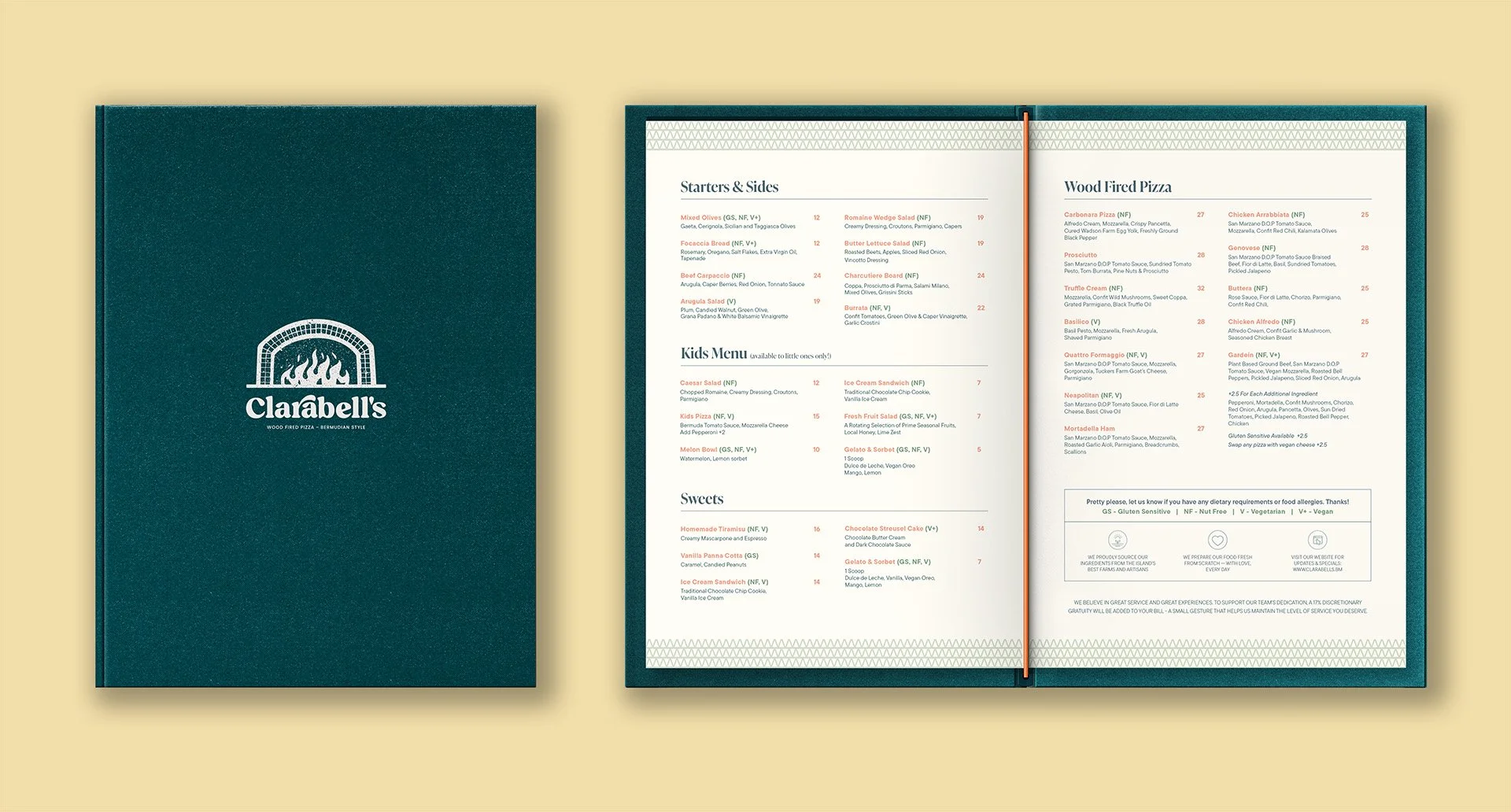
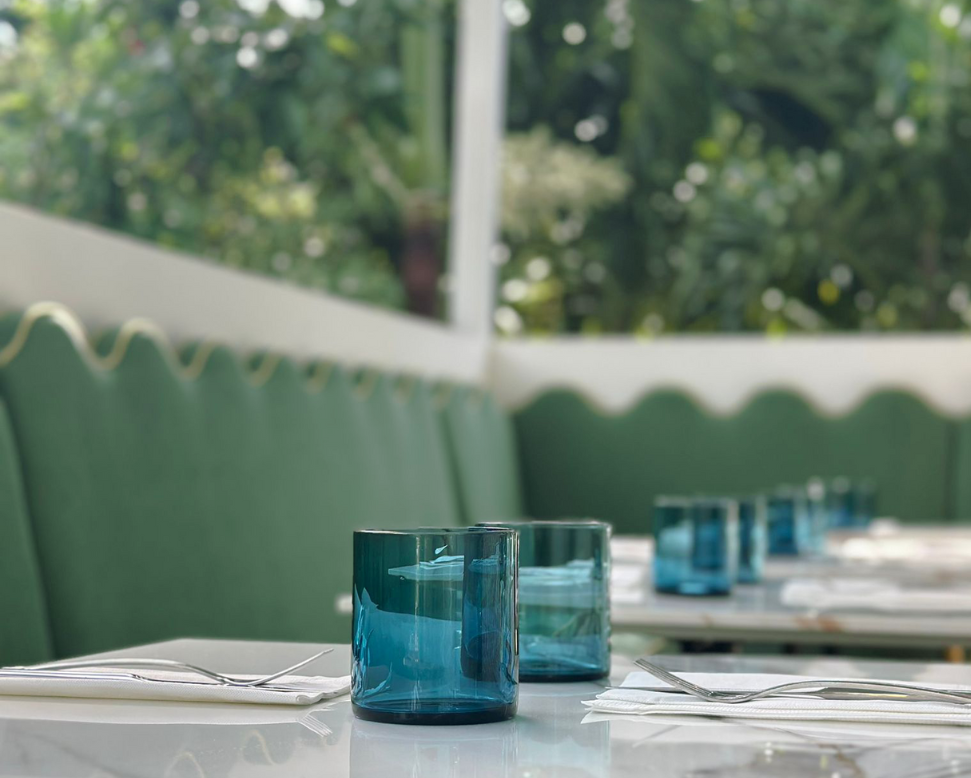
A Shared Approach: Guest × Melanie Gowen
At Clarabell’s, the restaurant at Rosedon Hotel in Bermuda, brand and interiors were developed hand in hand.
From the outset, Guest worked closely with interior designer Melanie Gowen to ensure that the brand positioning wasn’t simply layered on after the space was complete but embedded into it.
This meant aligning on:
• The personality of the restaurant
• The mood and energy it should create
• How it would sit within the wider Rosedon brand ecosystem
• The balance between mid-century character, warmth and informality
Every decision from layout to materials to visual cues was made with the brand in mind.
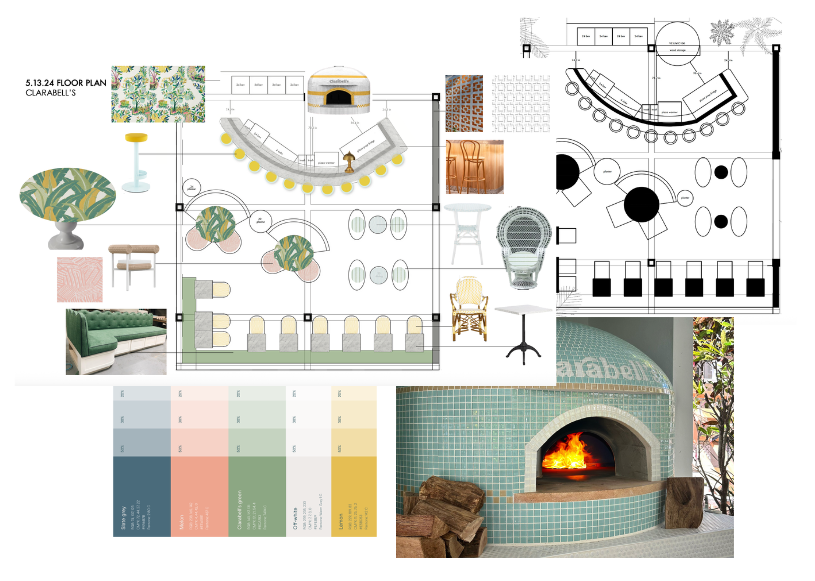
When the Space Does the Storytelling
At Clarabell’s, the interiors don’t just look good they reinforce the brand’s point of view.
The space feels relaxed but considered. Designed, but not overworked. It invites guests to linger, not rush. That atmosphere mirrors the brand language, the menus, and the way Clarabell’s shows up digitally.
Nothing is shouting. Everything is aligned.
This is where collaboration makes the difference.
Why This Matters for Hotel and Hospitality Leaders
For GMs, brand directors and owners, the takeaway isn’t about aesthetics. It’s about strategy.
When brand and interiors work together:
• Guests understand the concept instinctively
• Marketing feels more authentic and less explanatory
• Photography, content and campaigns become easier to create
• The experience feels cohesive across every touchpoint
The space does part of the brand’s work for you.

Beyond Restaurants: A Model for Hospitality Brands
While Clarabell’s is a restaurant project, the principle applies across hospitality. Hotels, bars, spas and lifestyle spaces.
The most compelling hospitality brands don’t treat interiors as a standalone moment. They see them as part of a wider system: brand, experience, communication and memory working together.
When those elements align, the result isn’t louder branding. It’s clearer branding.
The Takeaway
The best hospitality spaces don’t just reflect good design. They reflect good thinking.
When brand teams and interior designers collaborate closely, the result is a space that feels authentic, confident and immediately understandable to the guest.
Not because it tells them what it is but because it shows them.