Why Boutique Hotels Benefit from a Specialised Hospitality Marketing Agency
In the high-stakes world of luxury hospitality, boutique hotels face a unique paradox: they are expected to deliver a guest experience that rivals global brands, yet they often operate without the massive, head-office-based marketing resources that power the international chains.
To bridge this gap, more independent owners are turning towards boutique agencies. This isn't just about outsourcing; it’s about finding a partner that mirrors their own DNA and provides a strategic advantage in a crowded market.
1. The ‘Virtual Head Office’ Effect
Unlike massive chains with dedicated departments for every micro-niche, a boutique hotel or small collection is often lean by design. Partnering with a specialised agency provides immediate access to a senior-led team across multiple disciplines that would be impossible to hire individually in-house.
Strategic Breadth: A single point of contact for brand identity, web UX, social storytelling, and OTA management.
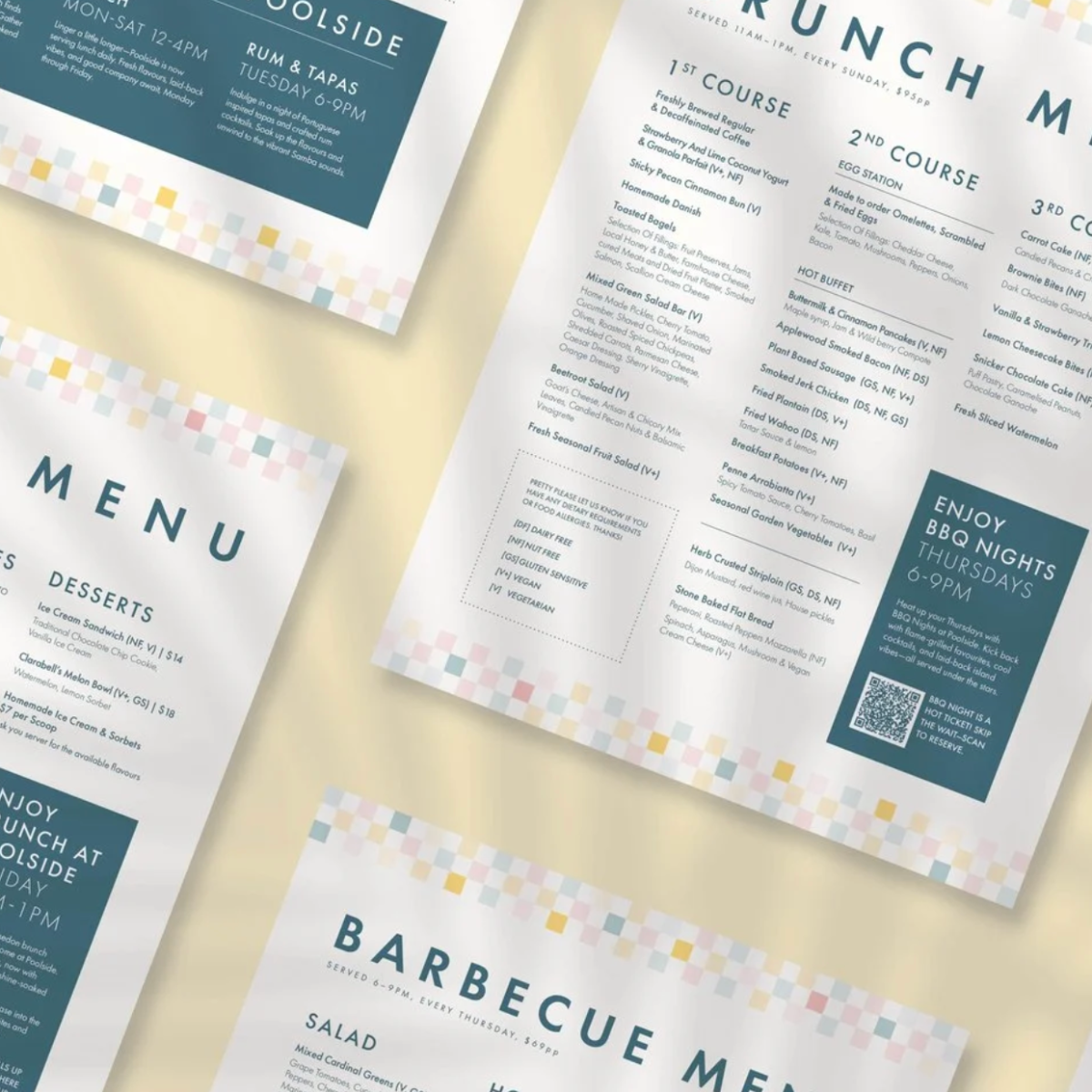
The ‘Gold Dust’ Network: Beyond digital pixels, a boutique agency brings a physical rolodex. This includes vetted connections to everything from bespoke menu cover makers and high-end printers to niche hotel suppliers who understand the ‘luxury of detail’.
2. The Strategic Shorthand: Knowledge Beyond the Brief
While every boutique hotel requires a bespoke approach, there is no substitute for the institutional knowledge gained from years in the sector. A specialised agency doesn’t start from zero; they arrive armed with strategies honed across countless campaigns.
Mastering the Rhythm: They inherently understand the nuances of the hospitality calendar, from the shifts in booking windows to the aggressive changes between low and high seasons.
Operational Fluency: They know that a marketing strategy isn't static; it has to breathe with the hotel, whether that’s pivoting for a last-minute menu change or launching a tactical campaign to fill a sudden gap in the rooms diary.
The OTA Battle: They are veterans of the direct-booking war. They know exactly how to play the OTA game to ensure visibility while simultaneously building the brand equity needed to win the guest over to a direct booking.
3. Fighting for Distinctiveness in a Branded World
Independent hotels aren’t just competing for bookings; they are competing for identity. When every global brand is trying to ‘act boutique’, the real independents must work harder to stay authentic.
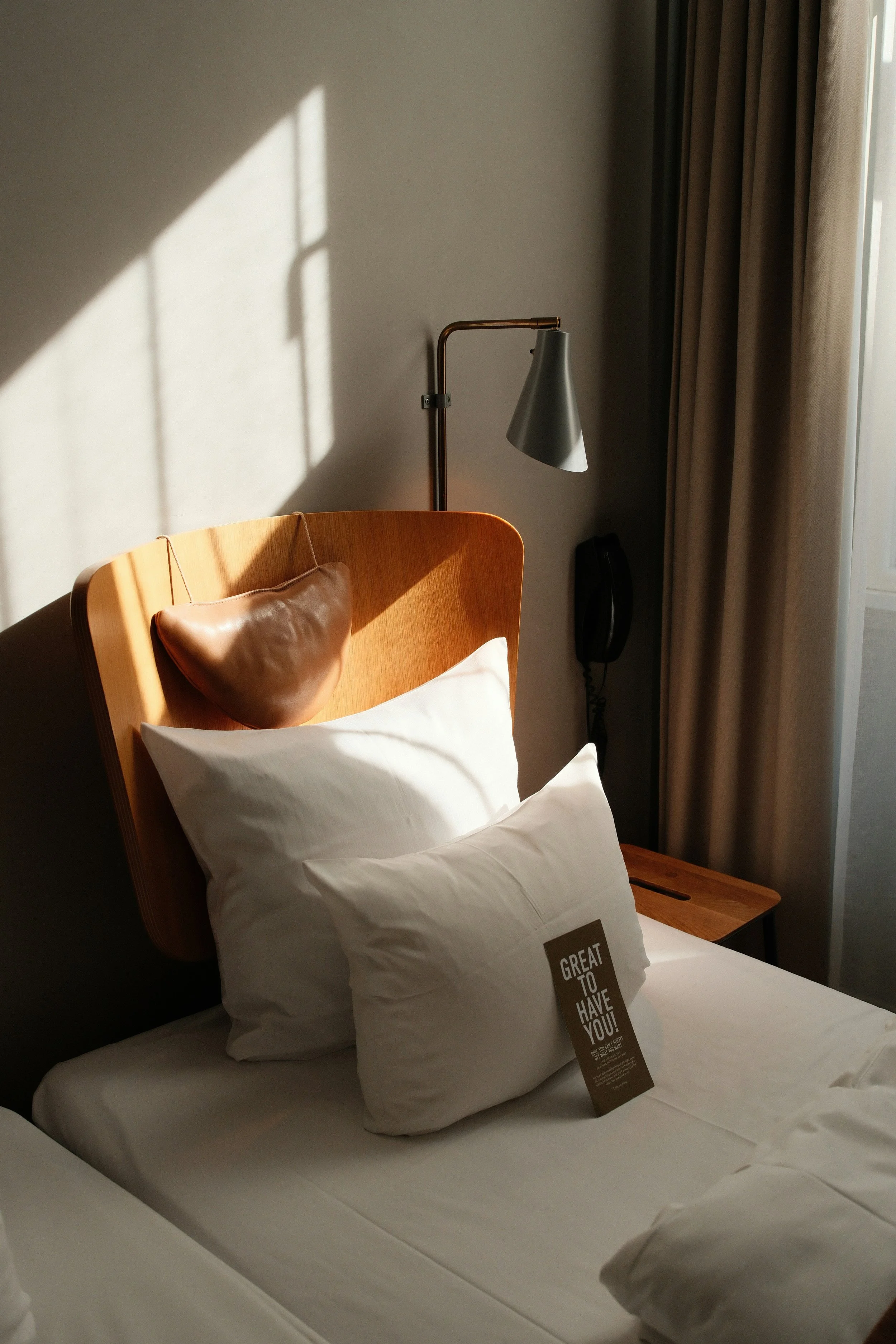
A specialised agency understands this pressure because they live it. They are incentivised to ensure the hotel doesn’t look like a template, but rather a singular destination. They focus on the textures of the bran, both digital and physical—that make a guest feel they’ve discovered something rare.
4. Agility Over Process
A boutique brand’s greatest asset is its ability to be unique and move fast. A large, multi-sector agency often relies on rigid processes and account handlers who act as filters between the client and the creatives.
In a boutique-to-boutique partnership, the founders and senior specialists are usually the ones doing the work. This creates a shorthand, an intuitive understanding of the brand’s voice that doesn’t get lost in translation.
5. Cultural Alignment: Mindset over Manpower
There is a fundamental fit when a boutique brand works with a boutique agency. Both organisations value:
Relationship-First Models: You aren’t ‘Account #402’; you are a cornerstone partner.
Shared Stakes: For a smaller agency, the success of a hotel launch or a seasonal campaign is a matter of pride and reputation, mirroring the owner’s passion for their property.
For the independent courtier, the goal isn't just to find a marketing firm; it's to build an extension of the team that provides the sophisticated marketing department they don’t need to house under their own roof.
Latest Work